

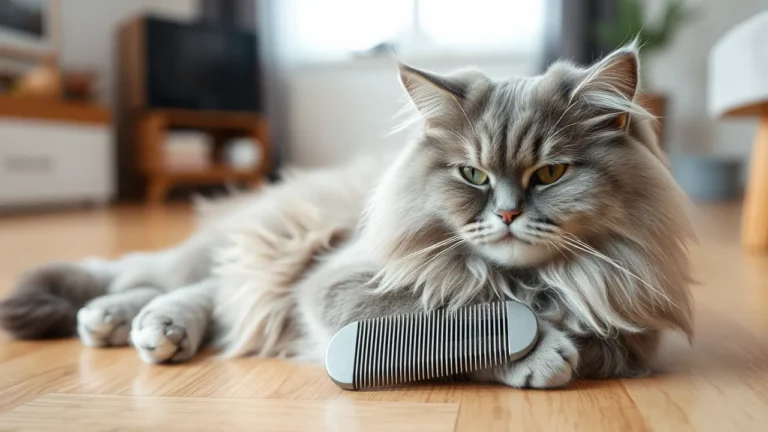
Brush a long-haired cat every day and a short-haired cat about once a week. The best schedule for your cat still depends on their coat, the time of year, and how much brushing they will calmly accept.
Key takeaways
- Long, silky or curly coats need a daily brush to prevent tangles and mats.
- Most short coats do fine with a quick brush about once a week.
- Regular brushing means less swallowed hair, which can mean fewer hairballs.
- Keep sessions short and stop when your cat has had enough.
- Older, stiff or overweight cats may need more help because they can’t reach every spot.
How often do long-haired cats need brushing?
Long-haired cats need brushing at least once a day. Their fine, silky fur knots easily, and a small tangle can tighten into a painful mat if it is left alone. VCA Animal Hospitals names the usual trouble spots: behind and around the ears, in the armpits, and down the back of the legs.
International Cat Care adds that the skin under the “armpits” and between the hind legs is very thin and sensitive, so go slowly there. It also stresses daily grooming as the best way to stop mats from forming in the first place.
Daily brushing pulls out loose hair before your cat swallows it while grooming, which can help cut down on hairballs. If hairballs are already a problem, read our guide to cat hairballs.
How often should you brush a short-haired cat?
Cats Protection says a quick brush about once a week is usually enough for short-haired cats. Short coats rarely tangle, so brushing is mostly about removing loose hair, keeping the coat clean and checking the skin.
Many cats shed more in late spring and late fall, especially cats in cooler climates that spend time outdoors. During those weeks, extra brushing helps. VCA also notes that daily brushing can noticeably reduce loose hair and dander around the house.
| Coat | How often | Helpful tool |
|---|---|---|
| Long, silky or curly | Every day | Long-toothed metal comb |
| Short | About once a week | Stiff bristle brush |
| Any coat during heavy shedding | More often than usual | Comb made for loose undercoat |
What brush should you use?
VCA suggests matching the tool to the coat:
- Stiff bristle brush: good for short coats or cats with a thin undercoat.
- Long-toothed metal comb: helps lift loose hair and smooth small tangles in medium and long coats.
- Undercoat comb: useful in shedding season and for teasing out small knots behind the ears.
Whatever you use, be gentle and don’t yank at knots. If your cat starts to fidget or flick their tail, stop and try again later. International Cat Care advises never grooming longer than your cat can tolerate.
What should you do about mats?
A small, loose tangle can often be combed out slowly. Large or tight mats are different. VCA warns against using scissors because it is easy to cut the skin, and recommends a groomer or your vet for severe matting. Our guide on how to de-mat your cat gently covers this in more detail.
When should you call the vet?
Brushing is a good chance to notice changes. Talk to your vet if you see:
- A dull, greasy or flaky coat, or much more shedding than usual
- Red, sore or irritated skin, especially under a mat
- New lumps, bumps, fleas or ticks
- An older or overweight cat who has stopped grooming certain areas, which can be a sign of pain or stiffness
Frequently asked questions
Can you brush a cat too much?
Gentle daily brushing is fine for most cats. Trouble comes from rough brushing or tugging at knots, so keep a light touch and stop when your cat objects.
Does brushing help with hairballs?
Yes. Brushing removes loose hair your cat would otherwise swallow while grooming, so regular brushing can mean fewer hairballs.
Should I bathe my cat instead of brushing?
Usually not. Most healthy cats rarely need a bath, so brushing does most of the work. See how often you should bathe a cat for the exceptions.
Sources
- Grooming and Coat Care for Your Cat, VCA Animal Hospitals
- Grooming longhaired cats, International Cat Care
- Tips for grooming long-haired cats, Cats Protection
This article is general information and is not a substitute for advice from your veterinarian.