

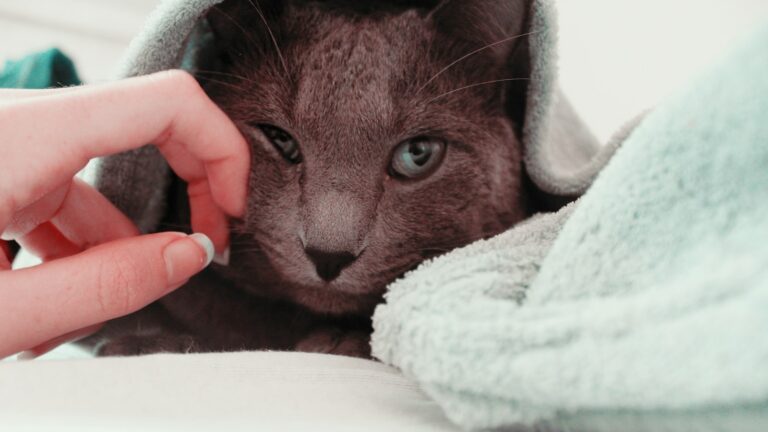
Most healthy cats do not need regular baths at all, because they keep themselves clean by grooming. A bath is only needed when your vet recommends one, with hairless breeds such as the Sphynx being the main exception.
Key takeaways
- A healthy cat with fur does not need a bathing schedule. Brushing does the job.
- Hairless and semi-hairless cats need regular baths, sometimes as often as weekly.
- Bathing too often can strip the skin’s natural oils and dry it out.
- Only use shampoo made for cats. Dog and human shampoos are not safe choices.
- Kittens under eight weeks old should not be bathed.
Do cats really need baths?
Usually not. International Cat Care says there is no reason to bathe a healthy cat and that most cats do not tolerate it well. The UK charity Cats Protection gives the same advice: cats groom themselves, so a bath is normally needed only when a vet recommends it for a specific health reason.
Bathing also has real downsides. According to Cats Protection, it can:
- strip the natural oils that keep the skin healthy and the coat waterproof
- wash off spot-on flea treatment
- cause stress, since many cats dislike water and being handled in certain areas
How often should you bathe a cat?
There is no set number for cats with fur. The right schedule depends on the cat, so ask your vet before you start.
| Type of cat | Bathing | Brushing |
|---|---|---|
| Healthy short-haired cat | No routine baths | About once a week |
| Healthy long-haired cat | No routine baths | Daily |
| Hairless or semi-hairless cat (such as a Sphynx) | Regular baths, possibly as often as weekly | Not the main need |
| Cat with a skin problem | Only as often as your vet directs | As your vet advises |
Hairless cats are different because, as PDSA explains, oil and sweat build up on their skin with no fur to spread it out. Even then, Cats Protection warns that overbathing can dry out the skin, so follow your vet’s advice on how often and which products to use.
What can you do instead of a bath?
Brush first. Brushing removes dirt, debris and loose hair, and it is far less stressful than water. International Cat Care suggests grooming short-haired cats at least once a week and long-haired cats daily. If brushing is not enough, Cats Protection recommends wiping the fur with a soft, damp cloth.
Need a tool? See our picks for the best cat brushes and combs. If your cat already has knots, our guide to de-matting a cat covers the next steps, and you can round out the routine with our nail trimming guide.
How do you bathe a cat safely?
If your vet has said a bath is needed, Cats Protection suggests these steps:
- Fill a sink or tub with warm water, no higher than the top of your cat’s legs. Never put your cat under the water.
- Lay a towel on the bottom so your cat does not slip.
- Stand your cat in the water, put cat shampoo on a soft, wet cloth and gently sponge the fur clean.
- Lift your cat onto a dry towel and pat the fur dry with a second towel, including between the toes.
- Let your cat finish drying on clean bedding in a warm spot away from drafts.
Never use dog or human shampoo. Cats Protection notes that some dog products, such as flea shampoos, contain permethrin, which is toxic to cats.
When should you call the vet?
Check with your vet before any bath to confirm your cat needs one and how often. Also call if your cat has a skin problem that may need a medicated shampoo, if you own a hairless cat and are unsure about skin care, or if you are struggling to wash your cat. The clinic may be able to do it for you.
Frequently asked questions
Can you bathe a kitten?
Not under eight weeks old, says Cats Protection, because of the risk of drowning. For older kittens, a quick wipe with a damp cloth and gentle cat shampoo is safer, and they must be kept warm until dry.
Can I use dog shampoo on my cat?
No. Dog shampoo can irritate a cat’s skin, and some types contain ingredients that are toxic to cats. Ask your vet which cat shampoo to use.
Do indoor cats need baths?
A healthy indoor cat with fur does not. Regular brushing is enough unless your vet tells you otherwise.
Sources
- Should I bathe my cat?, Cats Protection
- Grooming your cat, International Cat Care
- How often should you groom your pet?, PDSA
This article is general information and is not a substitute for advice from your veterinarian.