

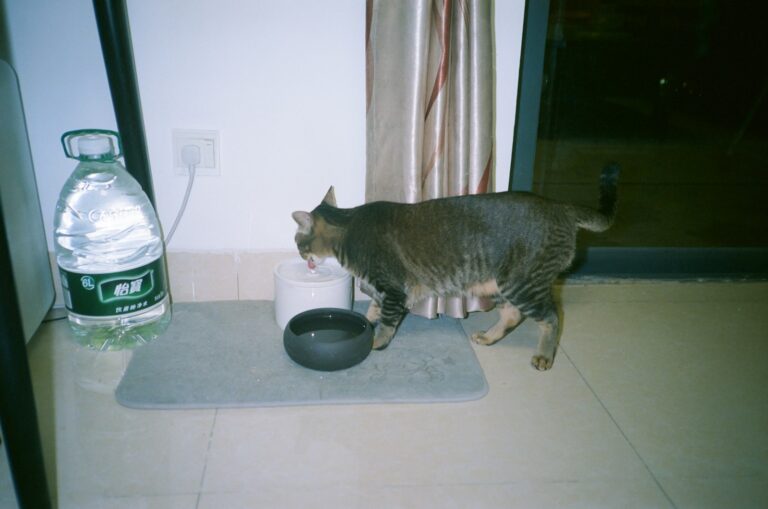
No, most adult cats should not drink cow’s milk, because many of them can’t digest the milk sugar (lactose) and may end up with an upset stomach. A few cats handle a small amount without trouble, but milk still adds fat and calories they don’t need, so fresh water is the drink your cat really needs.
Key takeaways
- Most adult cats are lactose intolerant to some degree, because they make much less of the enzyme lactase after weaning.
- Milk can cause diarrhea, vomiting, gas and tummy discomfort in cats that can’t digest it.
- Even cats that tolerate milk gain nothing from it, and the extra fat and calories can lead to weight gain.
- Kittens need their mother’s milk or a kitten milk replacer, never cow’s milk.
- Lactose-free “cat milk” is a safer occasional treat, but water should be your cat’s main drink.
Why can’t most cats digest milk?
Newborn kittens make plenty of lactase, the enzyme that breaks down lactose, so they can digest their mother’s milk. Once kittens move on to solid food, their bodies usually make much less of it. By adulthood, most cats don’t have enough lactase to handle the sugar in cow’s milk.
When that sugar isn’t digested, it travels on to the large intestine. There it draws in extra water and ferments, which is what leads to loose stools and discomfort. Estimates of how many cats are affected vary, but experts agree it is the majority. Some cats keep the ability to digest milk, but they are the exception.
What happens if a cat drinks milk?
After drinking milk, a lactose-intolerant cat may show signs such as:
- Diarrhea
- Vomiting
- Gas or a sore, gurgling tummy
- Licking or cleaning their bottom more than usual
- Low energy
In many cats these symptoms settle on their own. The bigger risk is dehydration if diarrhea or vomiting goes on. Even for cats with no stomach trouble, milk is rich. The UK charity PDSA has compared a saucer of milk for a cat to a person eating a whole 12-inch pizza on top of their normal daily food. Regular milk treats can quietly add pounds. If your cat is on a diet, see our guide to wet vs dry cat food for better ways to manage calories.
Can kittens drink milk?
Kittens should drink only their mother’s milk. If she isn’t available, use a kitten milk replacer made for kittens. Cow’s, goat’s and sheep’s milk don’t have the right balance of nutrients and can cause diarrhea, which is a bigger worry in tiny kittens. Kittens are usually fully weaned onto solid food by about 6 to 8 weeks old, and after that they need only water to drink. If you are caring for kittens without a mother, ask your vet for advice early.
What can cats drink instead of milk?
| Drink | Is it OK for cats? |
|---|---|
| Fresh water | Yes. This is all a healthy cat needs to drink. |
| Lactose-free cat milk | OK as an occasional treat. It still has calories. |
| Cow’s milk or cream | Best avoided by adult cats. |
| Goat’s or sheep’s milk | Not suitable for kittens; not needed by adults. |
| Kitten milk replacer | Only for kittens who can’t nurse from their mother. |
Cats seem to love milk mostly because of its fat. If you want to share a dairy treat, a lactose-free cat milk is the safer pick, given in small amounts. Cheese has similar issues, which we cover in Can Cats Eat Cheese?
When should you call the vet?
Call your vet if your cat seems unwell for more than 24 hours after drinking milk, vomits so much that they can’t keep water down, or is very tired and flat. Call sooner for a kitten with diarrhea. Also check in with your vet if your cat suddenly seems much thirstier than normal, since that can point to other health problems; see why is my cat drinking so much water?
Frequently asked questions
Is a little milk OK for my cat?
Some cats can handle a small amount, but many get diarrhea even from a little. Because milk offers no real benefit, it is simplest to skip it.
Is lactose-free milk for people safe for cats?
Milk with the lactose removed is less likely to upset a cat’s stomach, but it is still high in fat and calories. A product made for cats, given rarely, is the better choice.
Why do cats like milk if it’s bad for them?
Cats are drawn to the rich, fatty taste of milk. Liking a food doesn’t mean their bodies can digest it well.
Sources
- Vet Q&A: Can cats drink milk?, PDSA
- Giving your cat milk may not be safe, Cats Protection
- Can Cats Drink Milk?, PetMD
- Can Cats Drink Milk?, Hill’s Pet Nutrition
- Are Cats Lactose Intolerant? Can Cats Drink Milk?, Chewy
This article is general information and is not a substitute for advice from your veterinarian.