

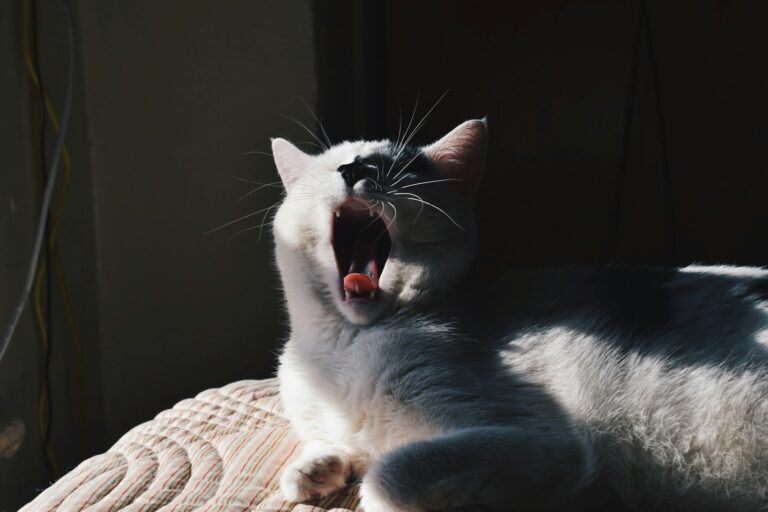
Your cat most likely has bad breath because of dental disease, the most common cause by far. However, kidney disease, diabetes and other illnesses can also change how a cat’s breath smells, so bad breath that lasts is always worth a vet visit.
Key takeaways
- A healthy cat’s breath should not smell offensive, according to a veterinary dentist at Cornell.
- Plaque, tartar and gum (periodontal) disease are the top cause of bad breath in cats.
- Breath that smells like ammonia can point to kidney disease.
- Diabetes, liver disease, mouth ulcers and objects stuck in the mouth are other possible causes.
- Daily tooth brushing is the gold standard for prevention; at least three times a week still helps.
Is it normal for a cat’s breath to smell?
A faint food smell right after a meal is normal. Cornell Feline Health Center points out that some food odors people dislike are harmless. But ongoing bad breath is different. The PDSA, a UK veterinary charity, says bad breath is not normal, even in older cats, and usually signals a problem.
What causes bad breath in cats?
PetMD explains that plaque, a sticky film of saliva and food bits, lets bacteria grow on the teeth. Over time it hardens into tartar, and once it spreads under the gum line it leads to periodontal disease. A Cornell dental resident has noted that this kind of disease is extremely common, affecting a large share of cats older than four.
| Possible cause | Clues you might notice |
|---|---|
| Dental or gum disease | Yellow, brown or green buildup on teeth; less interest in food; trouble chewing |
| Something stuck in the mouth | String or food caught between teeth or under the gums |
| Mouth ulcers | Sores in the mouth, which can come from viruses like calicivirus or from kidney disease |
| Kidney disease | Breath that smells like ammonia |
| Diabetes, liver or gut problems | Bad breath with no obvious mouth problem; your vet may suggest blood tests |
| Strong-smelling food | Smell fades between meals and your cat is otherwise well |
VCA Animal Hospitals notes that kidney disease, liver disease, diabetes and mouth tumors are less common causes in young cats, but they become more important as cats age. Our senior cat care guide covers other changes to watch for in older cats.
How is bad breath in cats treated?
There is no single fix, because treatment depends on the cause. Your vet will examine your cat’s mouth, which is hard to do safely at home. If the teeth and gums look healthy, blood work may come next to check for illness elsewhere in the body. When dental disease is the problem, your vet may recommend a professional dental cleaning.
How can you prevent bad breath in cats?
- Brush your cat’s teeth. VCA recommends daily brushing, and no less than three times a week. Start slowly with a little cat toothpaste on your finger, then reward your cat. Our guide on how to brush your cat’s teeth walks you through it.
- Look for the VOHC seal. PetMD notes some dental treats are approved by the Veterinary Oral Health Council to help with plaque and tartar.
- Keep up with checkups. Regular vet visits help catch dental problems early.
When should you call the vet?
Book a vet visit if your cat’s bad breath doesn’t go away, and sooner if you also notice:
- Drooling or trouble chewing
- Eating less or dropping food
- Breath that smells like ammonia
- Drinking or peeing more than usual (see why your cat might be drinking so much water)
Frequently asked questions
Why does my cat’s breath smell like fish?
Fishy food can leave a smell that fades quickly. If the odor stays strong between meals, dental disease is the most likely reason, and a vet should check.
Do kittens get bad breath?
Yes. Teething can cause temporary bad breath in kittens, but if it continues without a clear cause, VCA advises a vet exam.
Can I fix my cat’s bad breath at home?
Brushing helps prevent it, but it can’t treat existing gum disease or illness. Have your vet find the cause first.
Sources
- Bad Breath: Sign of Illness?, Cornell Feline Health Center
- Bad breath in cats, PDSA
- Why does my kitten have bad breath?, VCA Animal Hospitals
- Bad Breath in Cats: Causes, Symptoms, and When To See a Vet, PetMD
- Help for Horrible Halitosis, CatWatch (Cornell University College of Veterinary Medicine)
This article is general information and is not a substitute for advice from your veterinarian.